
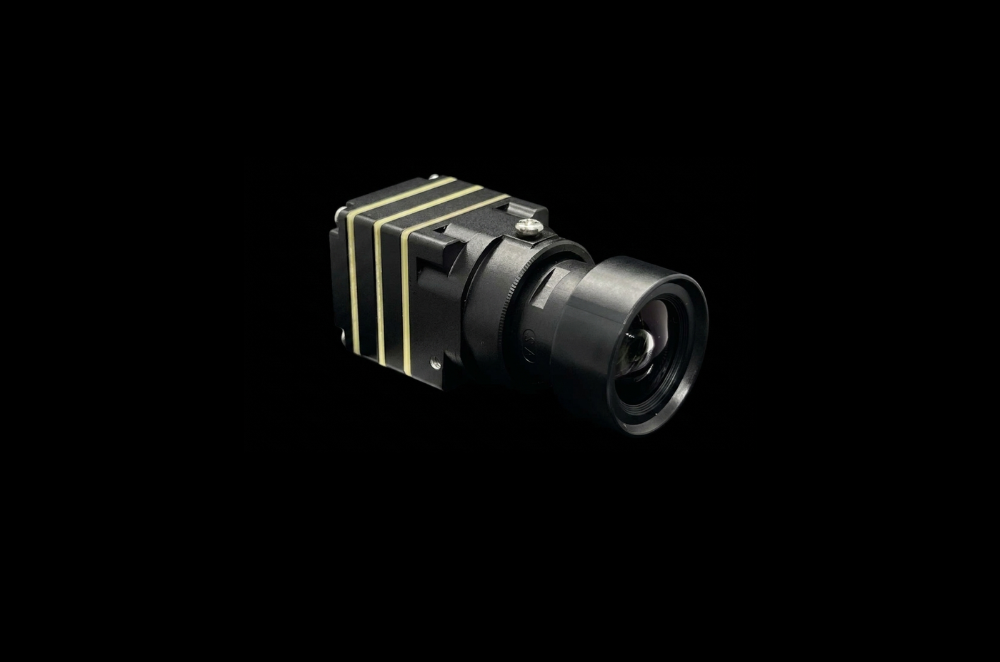
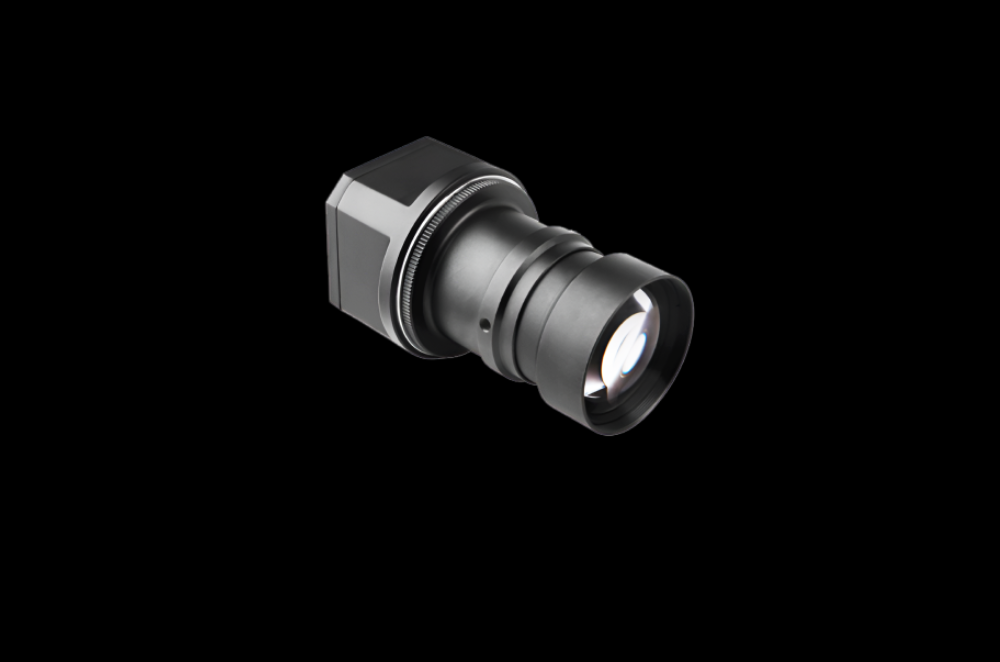
Ultra-Light Tactical Thermal Camera
≤40 mK NETD, 640 × 512 VOx LWIR, <4.3 g — micro thermal camera module for FPV drones, tactical UAVs, interceptors, and helmet systems.
System Detail
What It Is
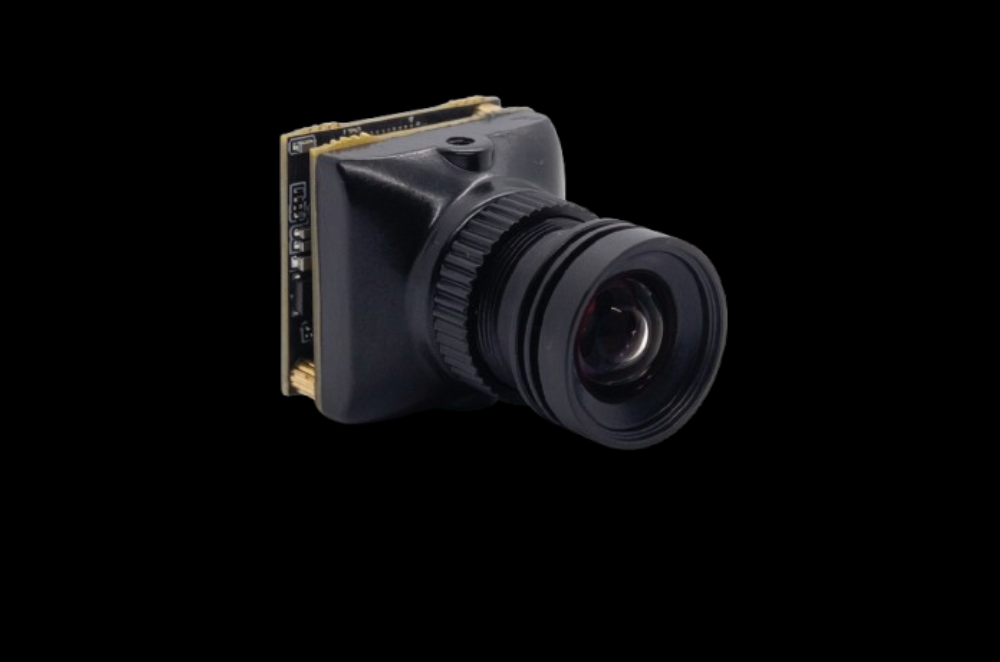
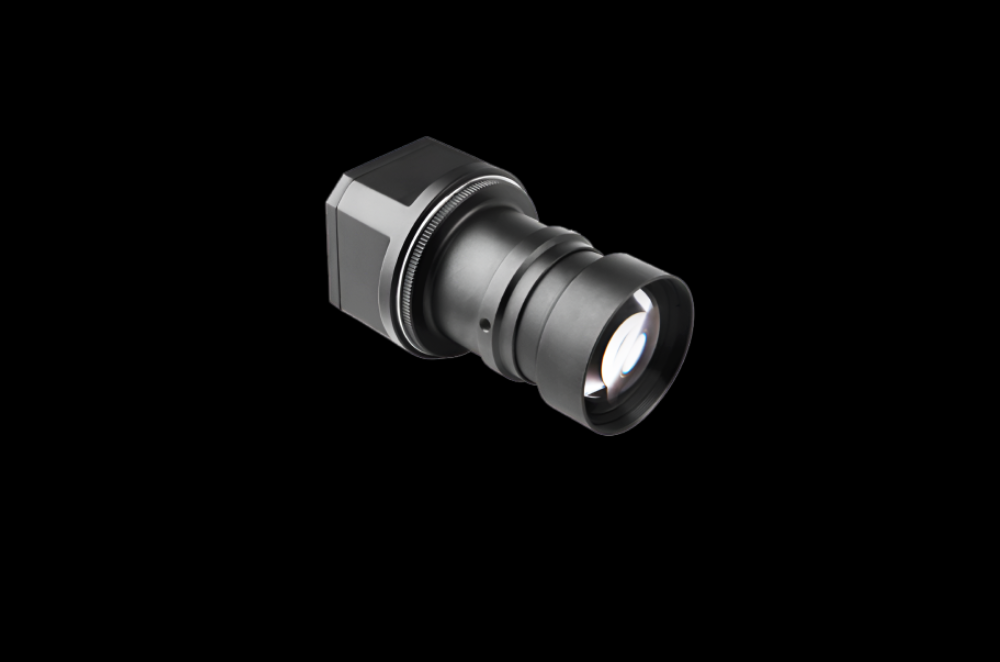
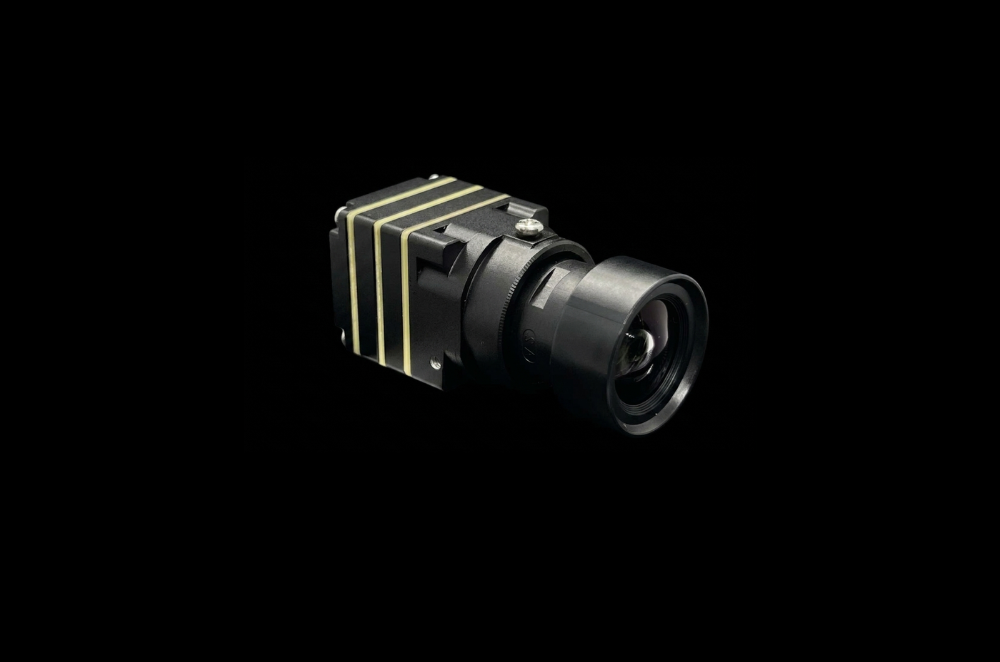
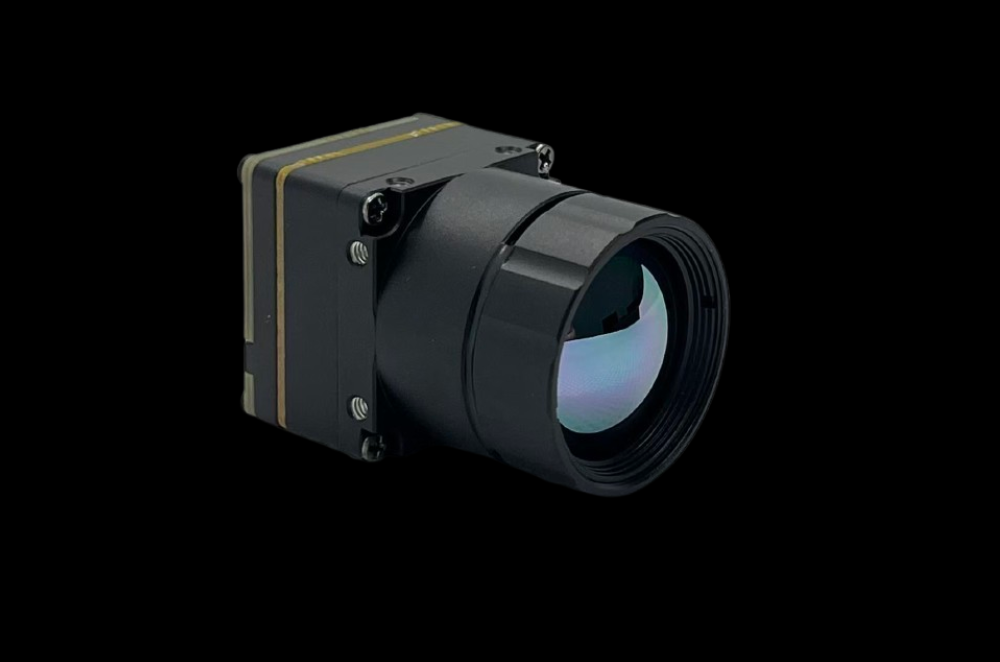
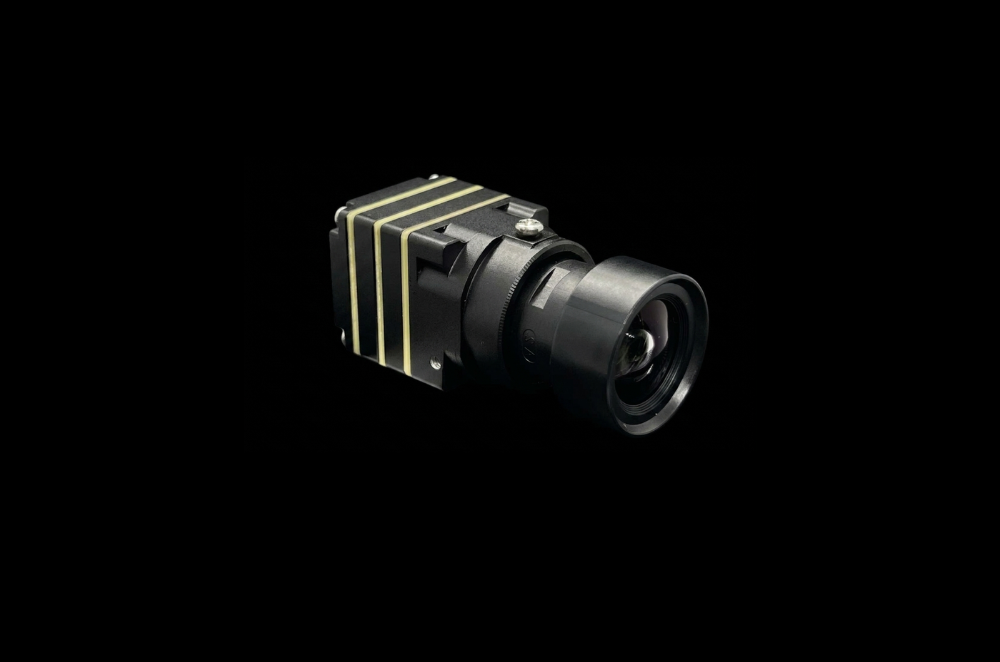
The XTC2640LZT is an uncooled LWIR thermal imaging camera module using a vanadium oxide focal plane array with a 10 μm pixel pitch, classified as an Uncooled LWIR Thermal Camera Module engineered for the lowest feasible mass in FPV drone payloads, tactical micro UAVs, interceptor airframes, and helmet-mounted imaging systems.
Performance
The XTC2640LZT delivers thermal sensitivity of ≤40 mK NETD measured at F/1.0 and 25 Hz. The 640 × 512 VOx detector operates across an 8–14 μm LWIR spectral range with a 10 μm pixel pitch, supporting frame rates of 30 Hz and 60 Hz. Power consumption is ≤0.7 W at 25 °C from a 5 VDC supply. The module measures 14.5 × 14.5 × 12 mm and weighs under 4.3 g without lens — the smallest and lightest model in the XTC2 series. Storage temperature range is −50 °C to +85 °C, extending below the other XTC2 models.
Key Technical Features
- 10 μm pixel pitch delivers finer spatial resolution than the 12 μm models at identical 640 × 512 detector array size, improving the angular resolution per pixel for long-range aerial target observation.
- Quad digital video output supporting DVP, BT.656, USB, and MIPI CSI with PAL/NTSC analogue fallback, and UART, I²C, and USB serial control for integration with diverse flight computers and helmet display processors.
- Digital zoom from 1× to 8× in 0.1× steps with shutterless and shutter-based non-uniformity correction, providing continuous calibrated imagery during tactical flight without mechanical shutter actuation.
- Image mirroring in horizontal, vertical, and diagonal axes accommodates any physical mounting orientation on helmet rails, FPV frames, or interceptor nose sections without firmware customisation.
Platform Compatibility
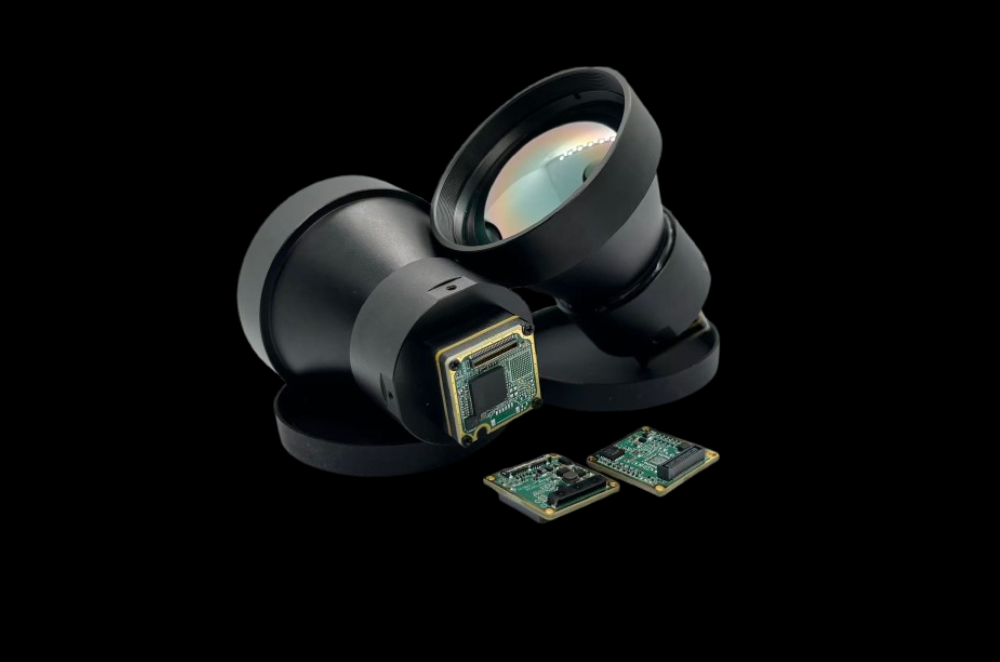
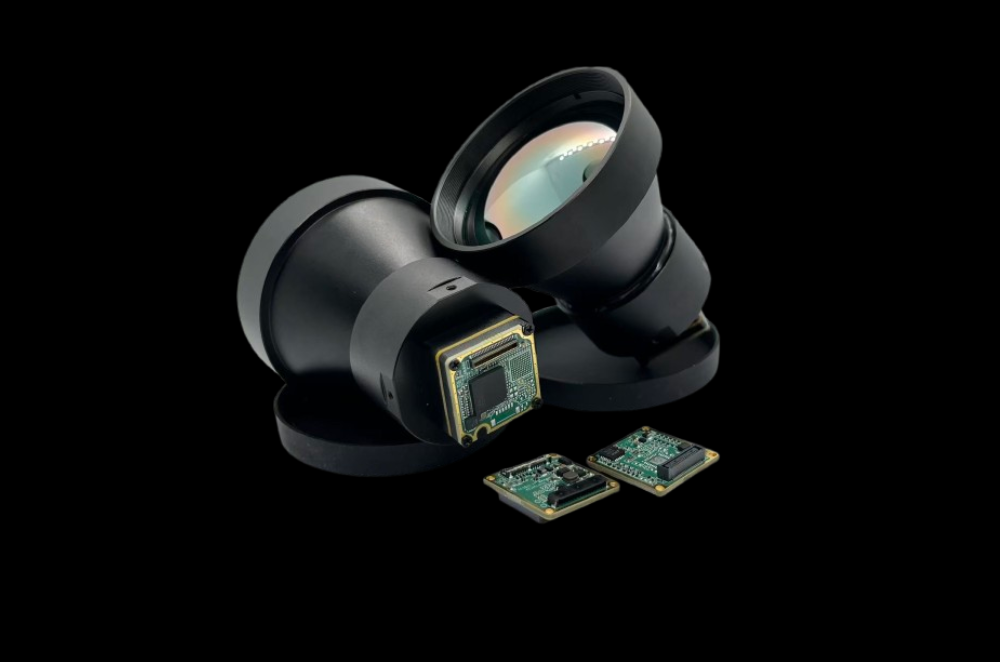
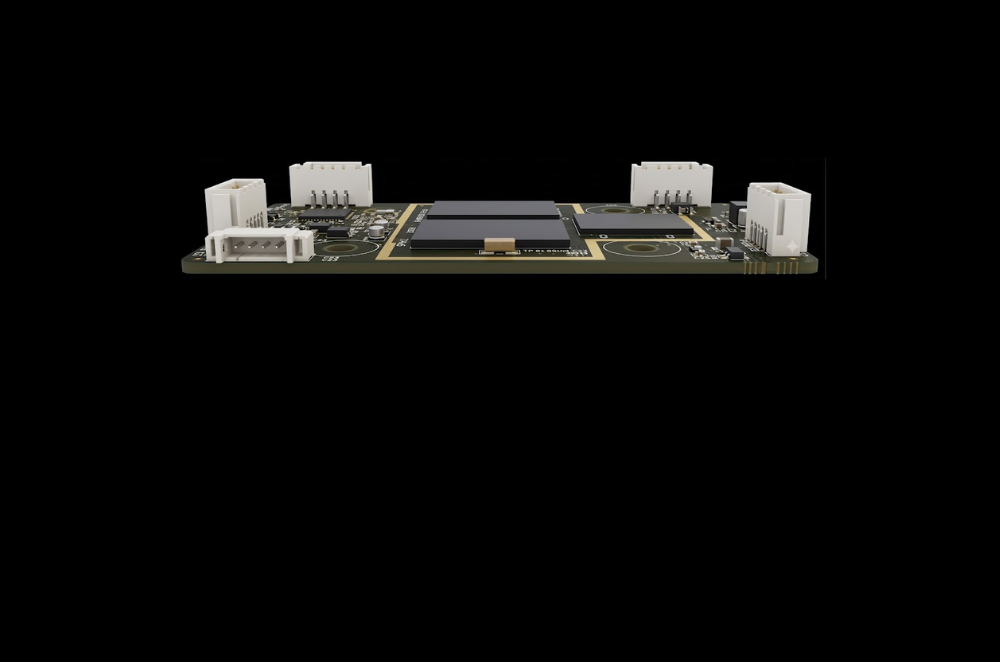
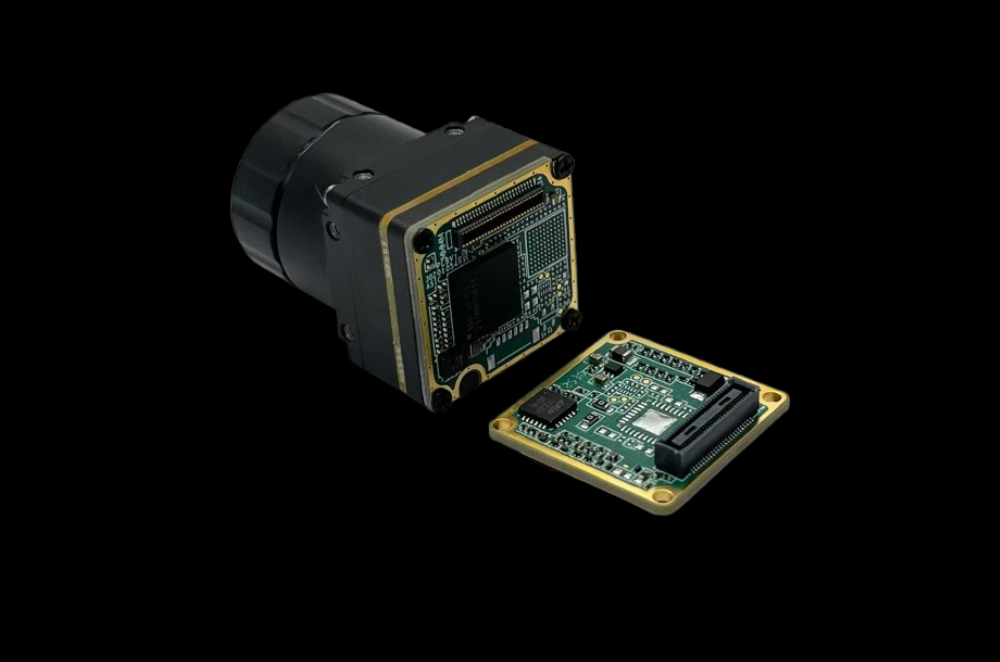
The XTC2640LZT is designed for integration into FPV racing and surveillance drone frames, tactical micro UAV payloads, loitering munition and interceptor airframes, and head-mounted display and helmet camera systems. The XTM2640LZT bare-core module variant supports board-level PCB integration in custom payload enclosures where housing mass must be eliminated.
10 μm Pixel Pitch Advantage
The XTC2640LZT uses a 640 × 512 vanadium oxide focal plane array with a 10 μm pixel pitch, compared to 12 μm in the other XTC2 series models. The smaller pixel pitch provides finer angular resolution per pixel at identical array size, improving target detail discrimination at extended ranges from airborne platforms.
Micro Form Factor for Tactical Payloads
The module measures 14.5 × 14.5 × 12 mm and weighs under 4.3 g without lens, representing the smallest and lightest member of the XTC2 series. This envelope is sized for direct installation into FPV drone frames, micro UAV nose sections, and interceptor airframes where competing with visible-light cameras on mass is a design requirement.
Shutterless Thermal Correction
Both shutter-based and shutterless non-uniformity correction algorithms are available, allowing integrators to eliminate the mechanical shutter assembly from the payload assembly entirely. Shutterless NUC maintains calibrated image quality through continuous operation without the periodic interruption of the video stream.
Extended Low-Temperature Storage
The XTC2640LZT is rated for storage temperatures from −50 °C to +85 °C, five degrees below the other XTC2 series models. This extended range ensures stable detector and electronics condition after extended cold storage in high-altitude, arctic, or space-limited logistics environments before deployment.
Our technical team provides pre-sales support for system integration planning, field testing, and deployment assessment.
Contact Technical TeamFull Technical Specifications
| Parameter | Specification |
|---|---|
| GENERAL | |
| Model Number | XTC2640LZT |
| Product Series | XTC2 Series |
| Product Type | Ultra-Light Tactical Thermal Camera |
| OPTICAL | |
| Sensor Type | Uncooled VOx Microbolometer (LWIR) |
| Resolution | 640 × 512 |
| Pixel Pitch | 10 μm |
| Spectral Range | 8–14 μm (LWIR) |
| Focal Length (Standard Lens) | 11 mm, F/1.0 (standard) |
| PERFORMANCE | |
| Sensitivity (NETD) | ≤40 mK @ F/1.0, 25 Hz |
| Frame Rate | 30/60 Hz |
| NUC Mode | Shutter correction / Shutterless algorithm |
| MECHANICAL | |
| Core Dimensions | 14.5 × 14.5 × 12 mm (without lens & connector) |
| Weight | <4.3 g (without lens) |
| ELECTRICAL | |
| Operating Voltage | 5 VDC |
| Power Consumption | ≤0.7 W @ 25 °C |
| ENVIRONMENTAL | |
| Operating Temperature | −40 °C to +80 °C |
| Storage Temperature | −50 °C to +85 °C |
| Humidity | 5–95%, non-condensing |
| Shock Rating | 80 g, 4 ms, saw-tooth pulse, 3 axes, 6 directions |
| Vibration Rating | 6.06 g random vibration, all axes |
| FEATURES | |
| Noise Reduction | Digital Noise Reduction / Digital Filtering |
| Image Flip / Mirror | Horizontal / Vertical / Diagonal |
| SDK Support | SDK available — contact sales@star-navi.net |
| INTERFACE | |
| Digital / Analogue Video Output | DVP / BT.656 / USB / MIPI CSI, PAL/NTSC |
| Serial Communication | UART / I²C / USB |
Designed for the Field
FPV and Tactical Micro UAV Payload
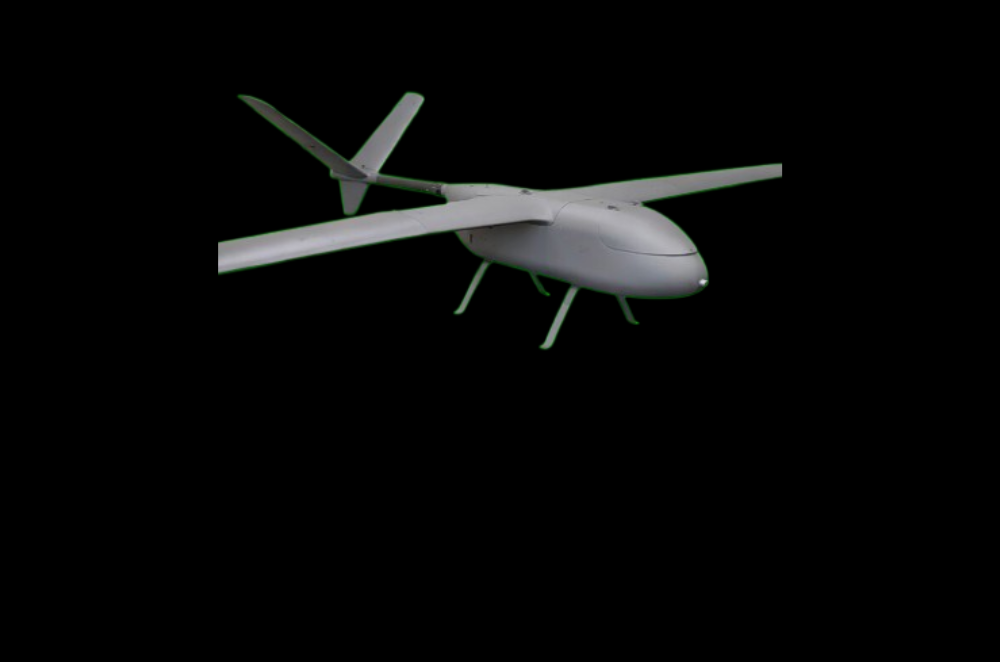
The XTC2640LZT addresses the critical mass constraint on FPV and micro UAV platforms where every gram affects flight time and manoeuvrability.
Interceptor and Loitering Munition Integration
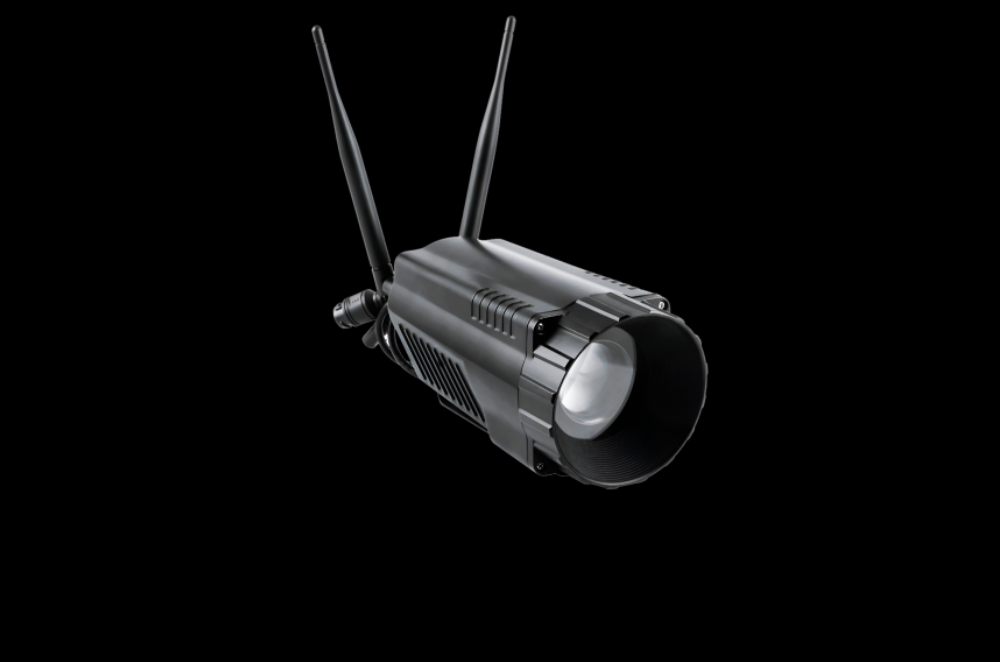
The module provides the thermal imaging engine for interceptor airframes and counter-UAV systems requiring minimal sensor mass and volume in the nose section.
Helmet and Body-Worn System Integration
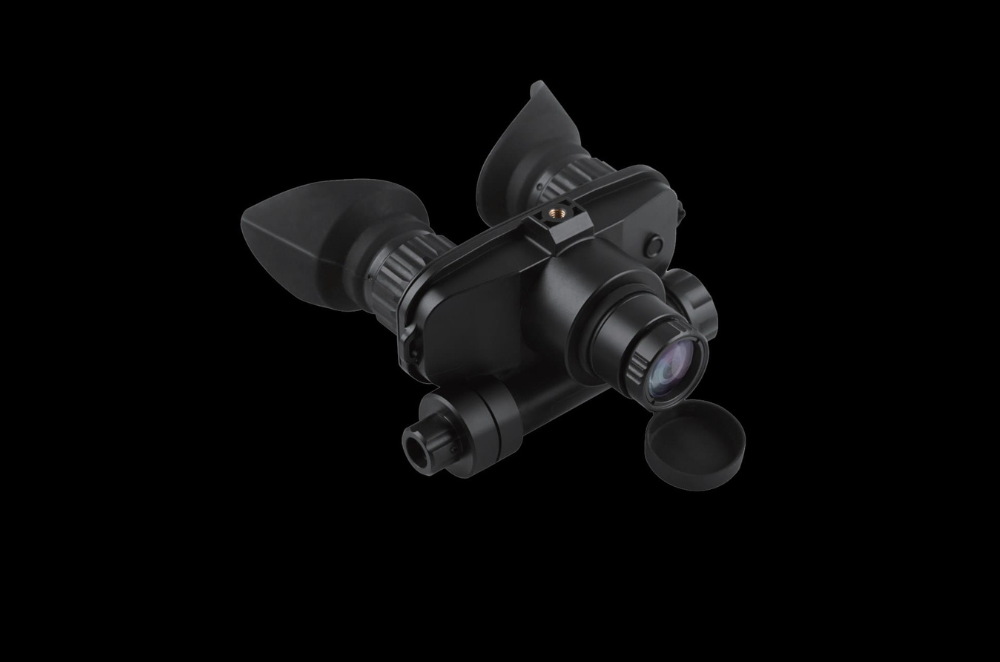
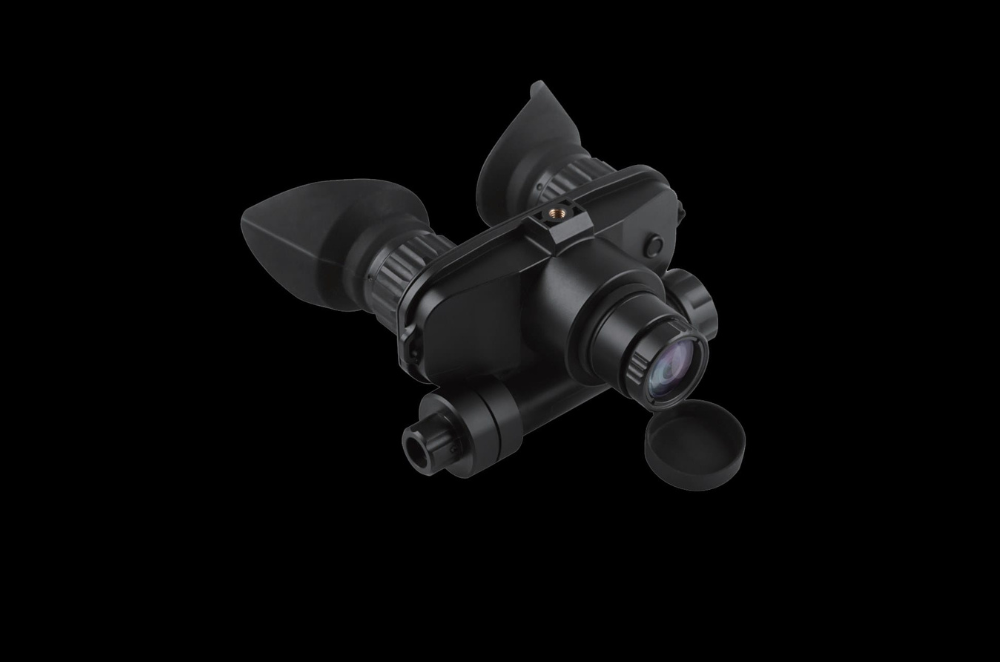
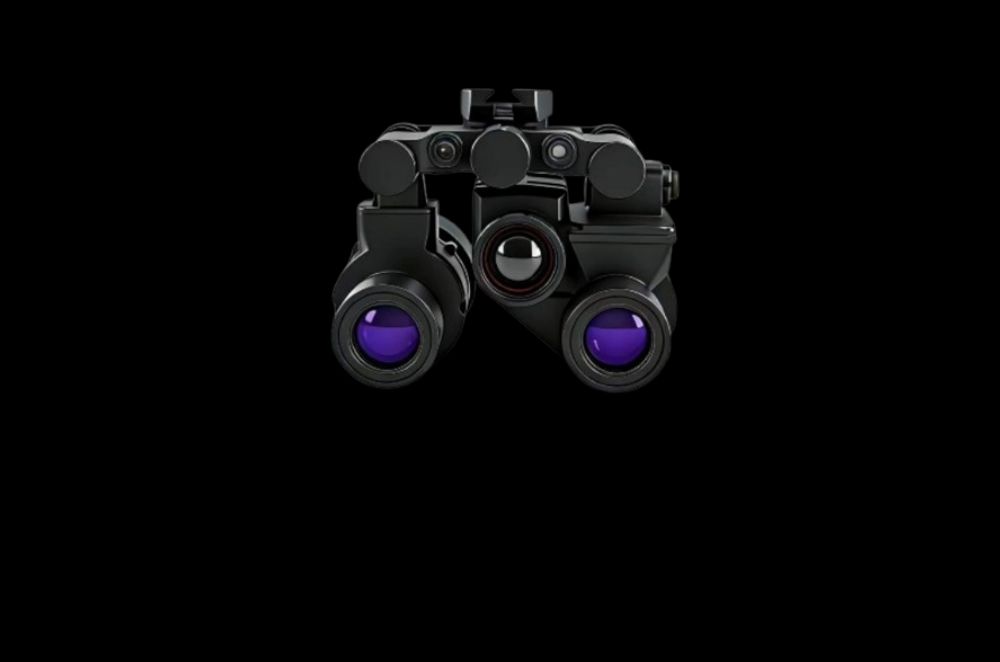
Helmet-mounted imaging system manufacturers embed the XTC2640LZT into lightweight head-worn thermal observation devices for dismounted operator applications.
FPV and Tactical Micro UAV
The XTC2640LZT provides thermal imaging for FPV drone frames and tactical micro UAV platforms where under 5 g sensor mass is a hard requirement. At 14.5 × 14.5 × 12 mm and under 4.3 g without lens, the module installs directly into FPV canopy mounts and micro nose sections without affecting centre-of-gravity or flight dynamics. The 10 μm pixel pitch delivers finer angular resolution than 12 μm alternatives at the same 640 × 512 count, improving target discrimination from altitude. The ≤40 mK NETD and 30/60 Hz frame rates provide smooth thermal situational awareness at the speeds common to FPV surveillance and intercept missions.
- Weight: <4.3 g (without lens)
- Core Size: 14.5 × 14.5 × 12 mm (without lens & connector)
- Sensitivity (NETD): ≤40 mK @ F/1.0, 25 Hz
- Pixel Pitch: 10 μm
Interceptor and Loitering Munition
The XTC2640LZT serves as the thermal imaging sensor in counter-UAV interceptor airframes and loitering munition systems where volume and mass in the nose section are critical constraints. The 14.5 × 14.5 × 12 mm footprint accommodates installation alongside or in place of a visible-light sensor in compact airframe cross-sections. Digital zoom from 1× to 8× in 0.1× steps enables operator-controlled or autonomous magnification of thermal targets during terminal approach, while the shutterless NUC maintains calibrated imagery throughout the engagement without mechanical actuation events.
- Digital Zoom: 1× to 8× continuous (0.1× step)
- NUC Mode: Shutter correction / Shutterless algorithm
- Frame Rate: 30/60 Hz
- Spectral Range: 8–14 μm (LWIR)
Helmet and Body-Worn Imaging Systems
Helmet-mounted display and body-worn thermal observation system manufacturers integrate the XTC2640LZT as the primary imaging sensor where every gram matters for operator comfort during extended dismounted operations. MIPI CSI and USB outputs connect directly to compact single-board computers and helmet display processors used in commercial head-worn systems. Image mirroring in horizontal, vertical, and diagonal axes allows the module to be mounted in any physical orientation on helmet rails, visor brackets, or head-mounted rigs without requiring the image to be reoriented in firmware at the host processor.
- Video Output: DVP / BT.656 / USB / MIPI CSI, PAL/NTSC
- Serial Interfaces: UART / I²C / USB
- Image Flip / Mirror: Horizontal / Vertical / Diagonal
- Operating Temperature: −40 °C to +80 °C
System Integration
Interface Architecture
The XTC2640LZT provides four simultaneous digital video outputs, analogue PAL/NTSC, and three serial communication interfaces in a 14.5 × 14.5 × 12 mm package at under 4.3 g.
Full register configuration documentation and SDK are available through the corporate support channel at sales@star-navi.net.
DVP / MIPI / USB Video Interface
The XTC2640LZT provides simultaneous DVP, BT.656, USB, and MIPI CSI digital video outputs at 30 Hz or 60 Hz, with analogue PAL/NTSC also available. The MIPI CSI-2 output is directly compatible with Raspberry Pi Camera Connector, NVIDIA Jetson CSI, and comparable embedded vision processors used in drone and wearable applications.
Request a Quote or Demo Unit
Our technical sales team can arrange a field demonstration, provide deployment planning, and prepare a formal quotation for your procurement requirements.
Contact Sales TeamSign In to Your Account
Access restricted integration resources and downloadable documentation for verified corporate customers.
Don't have an account? Apply for corporate access →
Apply for Corporate Access
Complete the form below. Your application will be reviewed within 1–2 business days. A corporate email address is required — free webmail addresses are not accepted.
Already have an account? Sign in here →